

Sleep problems are real, and estrogen and sleep have a definite connection- let’s dive into why!
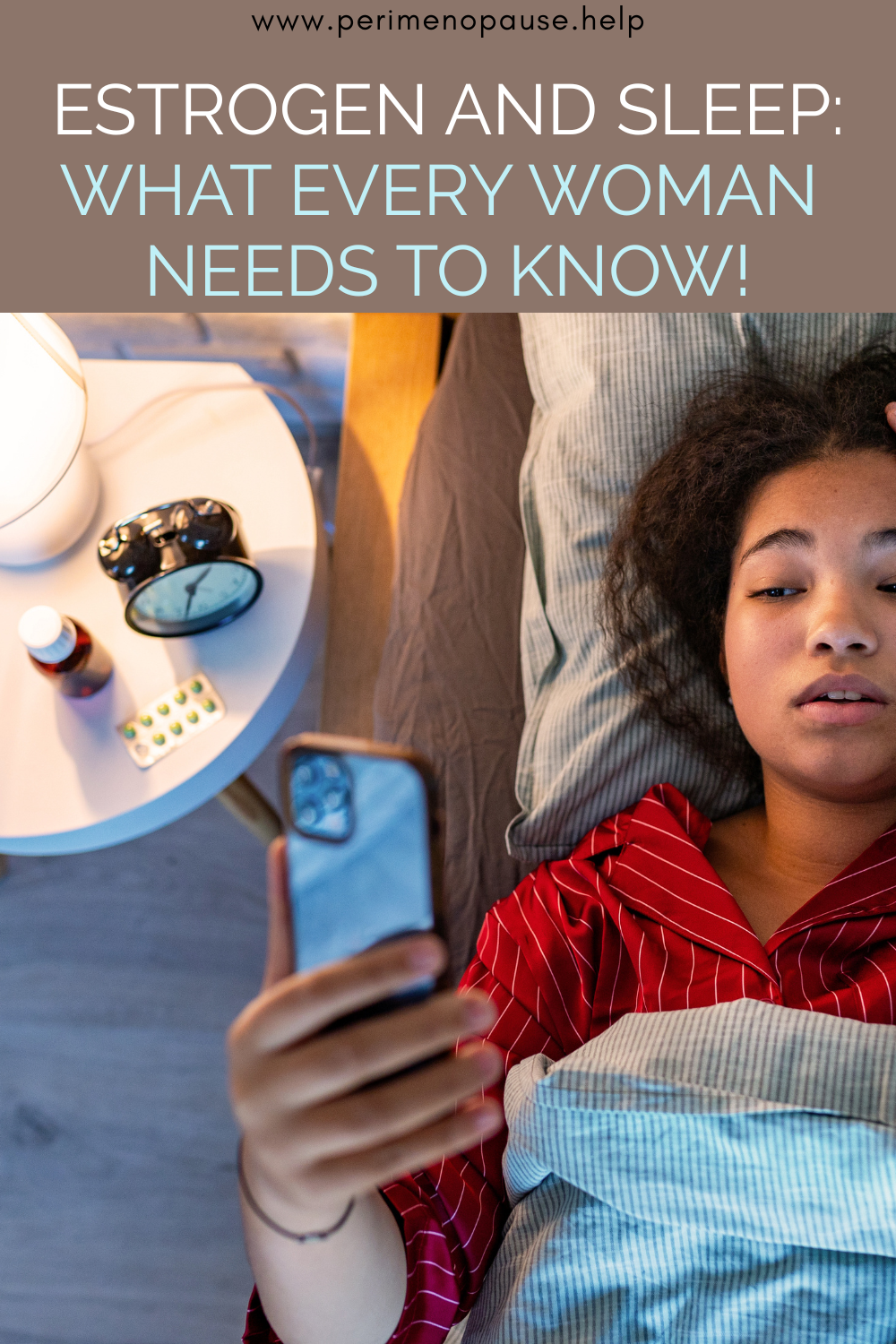
Are you tossing and turning night after night? A staggering 79% of perimenopausal and menopausal women report experiencing sleep problems, making it the fifth most common symptom during this transitional phase of life.
When your head hits the pillow, your body should be preparing for rest—not waging a hormonal war. But that’s exactly what happens when estrogen levels begin their inevitable decline during perimenopause and into menopause.
Let’s dive into the connection between estrogen and sleep!
How Estrogen Shapes Your Sleep
Estrogen isn’t just a reproductive hormone—it’s a sleep architect. This powerful female hormone influences nearly every aspect of sleep, from how quickly you fall asleep to how long you stay in deep, restorative stages.
One reason estrogen plays such a dominant role in sleep is because it interacts directly with the brain regions that regulate temperature, circadian rhythm, and emotional balance. Estrogen enhances serotonin production, supports melatonin regulation, and boosts the activity of calming neurotransmitters like GABA. As estrogen declines, the brain loses many of these stabilizing effects—making women far more vulnerable to nighttime awakenings, temperature swings, and light, restless, and sometimes significantly interrupted sleep.
When estrogen is balanced, it works harmoniously with progesterone levels to promote relaxation and maintain stable body temperature throughout the night. These sex hormones directly impact your circadian rhythm and regulate the production of sleep-inducing chemicals in your brain like serotonin.
This post contains affiliate links for which I may earn a small commision, at no extra cost to you.
How Estrogen Fluctuations Disrupt Sleep
When estrogen levels drop, all bets are off for a good night’s sleep. The most immediate and disruptive effects include those dreaded night sweats and hot flashes that can cause you to wake up drenched in perspiration.
These vasomotor symptoms affect approximately 40% to 50% of women in their 40s and 50s and beyond during menopause. Your body temperature regulation goes haywire, making it nearly impossible to maintain the cooler core temperature needed for restful sleep.
But estrogen isn’t the only hormone influencing your ability to sleep. Progesterone—often referred to as the “calming hormone”—binds to GABA receptors in the brain, which helps reduce anxiety and promote deeper sleep. During perimenopause, progesterone typically drops earlier and more steadily than estrogen- which can be a bit erratic. This early decline can create a perfect storm of nighttime anxiety, difficulty falling asleep, and early-morning awakenings that many women experience even before hot flashes begin.
Check out this playlist from my YouTube channel to learn more about that connection:
Beyond temperature control, low estrogen levels can trigger:
-
Increased anxiety and mood swings
-
Heightened stress hormone (cortisol) production
-
Disruption of melatonin levels
-
Greater susceptibility to sleep disorders like sleep apnea and restless legs syndrome
What the Research Shows About Women and Sleep Loss
Research paints a concerning picture about women and sleep quality. Studies show that women experience more sleep disruption than men, particularly during hormonal shifts.
The impact goes beyond feeling tired—poor sleep affects everything from cognitive function to immune system response. Long-term sleep disturbances are linked to serious health concerns including weight gain, high blood pressure, heart disease, and even depression.
A recent survey of 5,744 perimenopausal and menopausal women found that sleep problems ranked as one of the most debilitating symptoms. The consequences of this chronic lack of sleep extend far beyond the bedroom, affecting work performance, relationships, and overall quality of life.
Hormonal Shifts Across a Woman’s Life
Your relationship with sleep evolves throughout your lifetime, largely driven by hormonal fluctuations that begin with your first menstrual cycle and continue through your menopausal transition (which is basically what perimenopause is).
Each hormonal chapter brings unique challenges to your sleep architecture.
What worked in your 20s likely won’t cut it in your 40s and 50s as your body’s hormonal landscape shifts and creates new challenges in all sorts of ways- particularly sleep.
Why Sleep Changes During Cycles, Pregnancy, and Postpartum
During your menstrual cycle, particularly in the luteal phase (after ovulation), progesterone rises, which can initially promote sleepiness but may later disrupt sleep patterns as levels fluctuate and typically fall. Many women report their deepest sleep during the first half of their cycle when hormones are more stable.
Pregnant women face their own sleep battles. Rising progesterone in early pregnancy can cause daytime sleepiness, while physical discomfort and hormonal changes in later trimesters can lead to fragmented sleep and frequent awakenings.
The postpartum period brings perhaps the most challenging sleep disruption of all—not just from infant care demands but from the dramatic hormonal plunge that occurs after delivery. This sudden drop in reproductive hormones can trigger insomnia even when babies are sleeping.
Perimenopause, Menopause, and the Rise of Sleep Problems
Perimenopausal women often describe sleep as their first casualty in the transition to menopause. This isn’t surprising considering the erratic hormone fluctuations that characterize this phase.
As you enter the menopause transition, progersterones decline first accelerates, followed by estrogens spike and then drop over the years, or a back and forth of spike and drop can occur, and with it comes a host of sleep disturbances:
-
Hot flushes
-
Increased anxiety
-
Reduced REM sleep
-
More nighttime awakenings
By the time full menopause arrives, approximately half of women report significant sleep problems. The cruel irony? This is exactly when good quality sleep becomes even more important for overall health-both body and mind- and wellbeing.
This is also the stage of life where underlying conditions like sleep apnea become more common, in part due to hormonal changes affecting airway muscles and fat distribution. Many women assume their insomnia is “just menopause,” but sleep apnea, thyroid issues, adrenal dysregulation, iron deficiency, and mood disorders can all worsen sleep. This is why a thorough evaluation—with labs, symptom review, or sleep study when appropriate—can be crucial to getting the right treatment.
Along with sleep apnea snoring is also common. To learn more about the snoring and menopause connection check out this blog.
Solutions for Hormone-Related Sleep Issues
The good news is that hormonal insomnia doesn’t have to be your new normal. Effective treatments and support systems exist that can restore your relationship with sleep and improve your quality of life during perimenopause and menopause, or any other time of big estrogen shifts.
Finding the right solution often requires an integrative approach addressing both hormonal imbalances and sleep habits. The first step is always to consult with a healthcare provider who understands the complex relationship between hormones and sleep and one that you trust and can share your symptoms with comfortably without feeling ignored.
Lifestyle Strategies That Support Deep, Restorative Sleep
Before trying medical intervention, or in addition to them, lifestyle modifications play a key role in managing hormone-related sleep problems:
- Temperature regulation: Keep your bedroom cool (around 65-68°F/18-20°C) and use moisture-wicking bedding to manage night sweats
- Stress management: Practice relaxation techniques like meditation or gentle yoga before bed to lower cortisol levels
- Sleep hygiene: Maintain consistent sleep-wake times to support your circadian rhythm
- Evening routine: Try a warm bath 1-2 hours before bedtime to help lower core body temperature adding some lavender essential oils could help as well
- Light exposure: Get morning sunlight shortly after waking up, and limit blue light from screens in the evening to regulate melatonin production (making the room as dark as possible when you sleep and using amber tinted glasss after dark can help as well); I’ll link my favorite amber and blue light blocking glasses below!
- Dietary adjustments: Limit alcohol, caffeine, and spicy foods that can trigger hot flashes and disrupt sleep- don’t “sleep” on this tip, many patients I talk with don’t appreciate how much their alcohol and/or caffeine intake is affecting their hormones and their sleep!
No products found.
Nutritional choices can also have a profound impact on sleep quality during perimenopause. Fluctuating blood sugar—especially nighttime dips after carb-heavy or irregular eating—can trigger cortisol spikes that wake you up in the early morning hours. Prioritizing balanced meals with adequate protein, fiber, and healthy fats throughout the day helps stabilize glucose, support cortisol balance, and create the hormonal environment needed for deeper, more restorative sleep.
And eating too close to bedtime can also interupt your sleep. Try to give yourself at least 3 hours between your last meal/snack and bedtime.
These good sleep hygiene practices can significantly improve your chances of getting a good night’s rest, even during hormonal transitions.
How Hormone Therapy Can Restore Restful Sleep
Hormone replacement therapy (HRT- or bioidentical HRT is what I mean when I refer to HRT as I only use the bioidentical type) remains one of the most effective treatments for menopausal sleep disturbances. It works by replenishing the estrogen and progesterone your body is no longer producing in sufficient quantities.
HRT alleviates hot flashes in up to 90% of menopausal women, leading to fewer nighttime awakenings and improved sleep continuity. Many women report that HRT helps them achieve deep sleep again—something that had become increasingly elusive.
For some women, adding vaginal estrogen can further improve sleep by reducing nighttime urinary urgency, discomfort, or recurrent UTIs that interrupt rest. Even women who cannot take systemic estrogen often benefit from localized vaginal estrogen therapy, and it can serve as an excellent complement to lifestyle-based sleep strategies.
For those who cannot or choose not to use HRT, non-hormonal support can target specific sleep symptoms. In my practice, since I am a functional medicine practitioner and family doctor, I typically choose to talk about supplemental support with targeted nutrients, but some doctors instead prescribe antidepressants to help with sleep.
Proven and Effective Sleep Supplements for Women in Perimenopause and Menopause
Many women find that even with excellent sleep hygiene, hormonal shifts still make it hard to fall asleep or stay asleep. The right supplement support can help restore a calmer nervous system, stabilize nighttime hormones, and promote deeper, more consistent sleep. Here are some of the most effective, research-supported options for women experiencing sleep disturbances during perimenopause and menopause.
Magnesium Glycinate (or Magnesium Bisglycinate)
Magnesium is one of the most well-studied nutrients for sleep support. It helps quiet the nervous system by activating GABA receptors—the same calming pathway progesterone uses. Magnesium glycinate is especially beneficial for women in perimenopause due to its gentle effect on the gut and strong calming properties.
Many women notice fewer nighttime awakenings, reduced muscle tension, and improved ability to fall asleep when taking magnesium regularly. Always talk with your doctor before adding any supplement but typical helpful doses are between 200mg-400mg, cutting back if you experience loose stools.
L-Theanine
L-theanine is an amino acid found in green tea that naturally increases GABA and alpha brain waves, promoting relaxation without sedation. It is particularly helpful for women who experience the “tired but wired” feeling or bedtime anxiety associated with fluctuating estrogen and progesterone. It pairs well with magnesium for a deeper calming effect.
Usually this supplement is dosed at 100 mg- 200 mg.
Melatonin (Low Dose)
Melatonin production naturally declines with age, and estrogen fluctuations can further disrupt its release. A low dose—typically 0.3–1 mg—is often more effective for perimenopausal insomnia than higher doses, which can sometimes cause grogginess or vivid dreams. Melatonin can help reset circadian rhythm, shorten sleep latency (the time it takes to fall asleep) and improve sleep quality, especially when nighttime cortisol is high.
Glycine
Glycine is a simple amino acid that lowers core body temperature and supports deeper sleep, making it especially useful for women struggling with night sweats or overheating. Research has shown glycine can improve sleep quality and reduce daytime fatigue by supporting parasympathetic (rest-and-digest) pathways.
Glycine often comes in powder form that is a bit sweet, or it can be taken in capsule form and is typically dosed at 2000-3000 mg.
Ashwagandha
Ashwagandha is an adaptogenic herb known to reduce cortisol levels and support stress resilience. For women experiencing nighttime cortisol spikes—often felt as sudden wake-ups or difficulty falling back asleep—ashwagandha can help regulate the stress response and promote more stable sleep cycles. It is especially effective when combined with a nighttime routine focused on nervous system regulation.
This helpful hormone adaptogen can be taken at night or even during the day, while the others mentioned should be taken about 30-60 minutes before sleep. The usual dose is 300-600 mg of a standardized extract. Avoid in hyperthyroidism or during pregnancy.
Phosphatidylserine
For women with stress-driven insomnia or “tired but wired” evening energy, phosphatidylserine can help reduce cortisol and support a healthier circadian rhythm. It can be especially useful in cases where DUTCH testing shows elevated nighttime cortisol.
Too high of a dose for too long may lower cortisol excessively, so many women benefit from the lower end of the range. So, the most effective dose is usually 100-300 mg.
Valerian Root or Passionflower (Herbal Sleep Support)
Herbal botanicals like valerian and passionflower work as gentle nervous-system relaxants by modulating GABA pathways. These herbs have been used for centuries and can be helpful for women who prefer non-hormonal, plant-based support for sleep.
Valerian is best dosed at (if in capsule form and not raw herb or tea) 300–600 mg of valerian extract 30–60 minutes before bed, but start low and go slow as it can be sedating. A valerian tea if often all that is needed in the beginning.
Passionflower is particularly helpful for anxious or restless sleep and is often dosed at 250–500 mg taken 30–60 minutes before bedtime.
Here are some blends that I have seen work well, but always discuss with your healthcare practitioner first:
No products found.
No products found.
No products found.
What Experts Want Women to Know About Sleep
Sleep specialists and women’s health experts emphasize that sleep should be considered a vital health metric—as important as diet and exercise.
Too often, women dismiss sleep problems as an inevitable part of aging or hormonal changes- and they often struggle silently. This acceptance can lead to years of unnecessary suffering and potential long-term health consequences. So talk about it- to a provider that hears you and helps you!
Why Quality Sleep Is Essential for Hormone Balance
The relationship between hormones and sleep works both ways. While hormonal changes can disrupt sleep, poor sleep can further imbalance your hormones, creating a vicious cycle that’s difficult to break.
Inadequate sleep raises stress hormone levels and disrupts other hormones that regulate appetite, metabolism, and mood. This hormonal chaos can manifest as weight gain, mood swings, low sex drive, and worsening menopausal symptoms.
Prioritizing sleep isn’t selfish—it’s essential self-care that supports your mental health, brain health, metabolism, and overall wellbeing. Your nervous system, immune system, and adrenal glands all depend on sufficient, quality sleep to function optimally.
Conclusion
The journey through perimenopause and menopause brings many challenges, but chronic insomnia doesn’t have to be your companion along the way. Understanding the powerful connection between estrogen and sleep is the first step toward reclaiming your nights.
Whether through hormone therapy, lifestyle modifications, or a combination of approaches, solutions exist for hormone-related sleep problems. Don’t dismiss disrupted sleep as an inevitable part of aging—it’s a medical issue worthy of attention and treatment- and it can definitely be linked to your estrogen and progesterone levels.
Remember that good quality sleep isn’t a luxury—it’s a biological necessity that becomes even more important during times of hormonal transition. By addressing sleep problems proactively, you’re not just investing in better nights—you’re supporting your health for years to come.
Talk to your healthcare provider about your sleep concerns. With the right support and strategies, you can navigate this phase of life with the energy and clarity that comes from restful, restorative sleep.
You may also love:
Snoring and Menopause: What is the link|Tips for Good Sleep
Ultimate Guide:Top 5 Picks for your Perimenopause Supplement Stack
Magnesium Glycinate vs Citrate: Which Type is Best for You?

Dr. Shelley Meyer is a board-certified family physician and Institute of Functional Medicine-certified functional medicine physician, as well as a Registered Dietitian. She is passionate about helping women navigate the roller coaster of perimenopause and postmenopause. She has her own Functional Medicine Practice in Denver, Colorado.








Leave a Reply
You must be logged in to post a comment.