

Your sex drive didn’t disappear because you stopped caring…and it’s not only stress…perimenopause low libido is a real issue- let’s talk about why!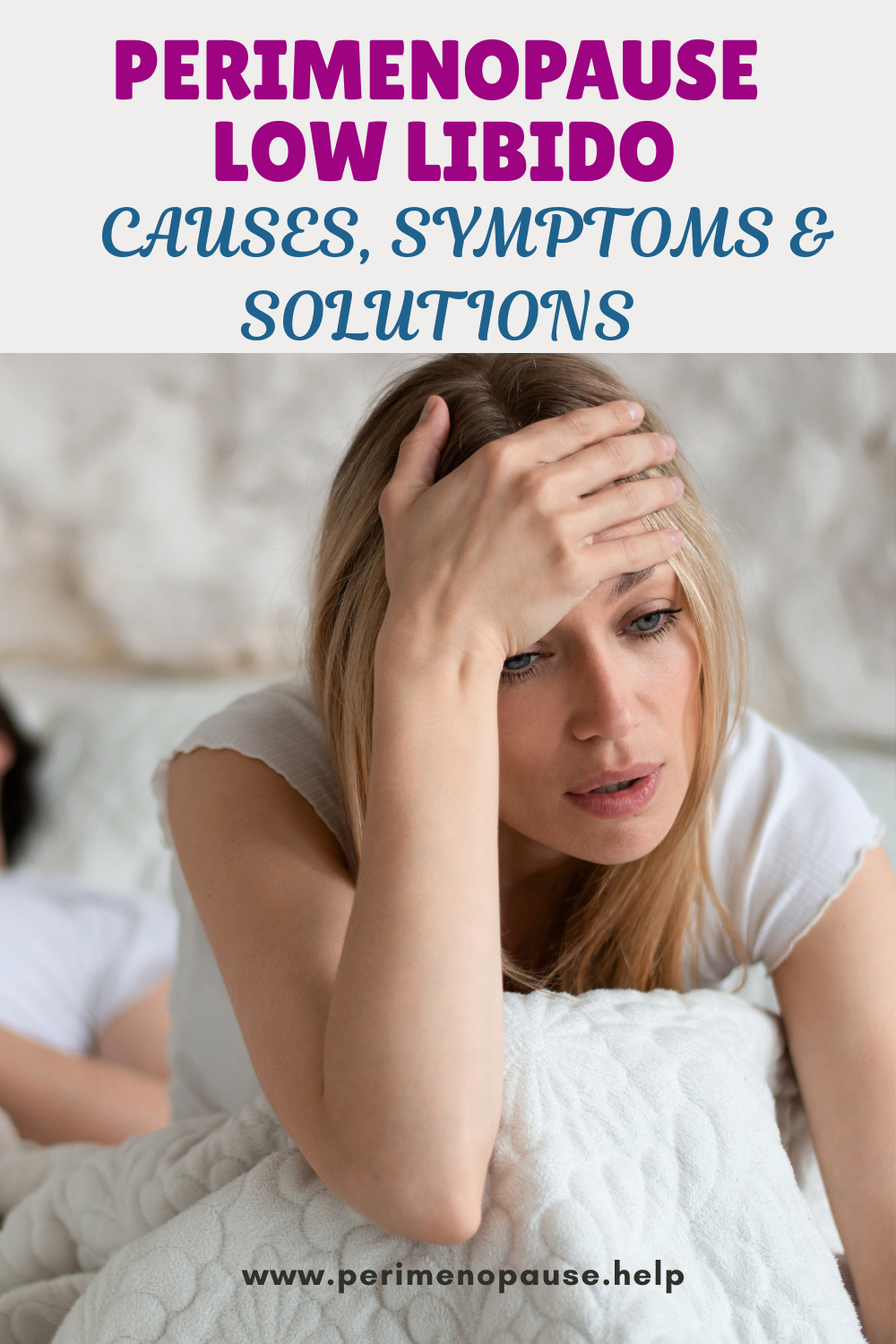
Somewhere between your late 30s and early 50s, perimenopause quietly rewires how your body responds to sexual desire. Estrogen levels sore, roller coaster and drop, progesterone levels drop, and testosterone fluctuations mess with arousal, and physical changes like vaginal dryness turn what used to feel natural into something uncomfortable or even painful. These aren’t small inconveniences. They’re physiological changes that directly impact your sexual health, your confidence, and your relationship with your own body.
The good news is that low libido during perimenopause isn’t permanent, and it’s not something you just have to accept. There are steps you can take to revive your libido.
Understanding what’s happening inside your body, why it matters, and what actually works to restore sexual desire gives you a clear path forward instead of confusion and frustration.
What Low Libido in Perimenopause Actually Means
Low libido during perimenopause isn’t just “not being in the mood.” It’s a measurable drop in sexual desire driven by hormonal changes, physical symptoms, and emotional shifts that happen during the menopause transition.
This is the stage before menopause, when your body starts producing chaotic then less estrogen and declining progesterone.
Your hormone levels don’t just decline smoothly. They fluctuate wildly, creating unpredictable patterns that affect everything from your energy levels to your sexual function. When estrogen drops, vaginal tissues thin out, natural lubrication decreases, and blood flow to the pelvic area slows down. All of this makes sexual activity less appealing because it literally becomes less comfortable.
Testosterone also plays a significant role.
While women produce far less testosterone than men, it’s still a key reproductive hormone tied to sexual arousal and desire. During perimenopause, testosterone levels can decline, further dampening your sex drive.
Women don’t need high levels of testosterone, but the levels shouldn’t read zero or close to zero. For more information on labs and getting to the bottom of your symptoms check out this guide.
Hypoactive sexual desire disorder (HSDD) is the clinical term for persistently low sexual desire that causes personal distress. Not every woman experiencing low libido in perimenopause has HSDD, but the overlap is common. The difference is whether the loss of libido bothers you and impacts your quality of life.
This isn’t about labeling yourself. It’s about recognizing that what you’re experiencing has a biological basis, and there are treatment options designed specifically for this stage of life.
What People Get Wrong About Perimenopause and Sex Drive
Most women think low sex drive during perimenopause is either all in their head or an inevitable part of aging. Both are wrong.
Here’s what perimenopause libido loss is NOT:
- A sign you’re no longer attracted to your partner. Relationship issues can contribute to low sexual desire, but the root causes of perimenopause-related libido changes are hormonal and physical. If your desire disappeared suddenly or gradually as you entered your 40s, hormonal shifts are the more likely culprit.
- Something that only affects postmenopausal women. Perimenopause can start as early as your mid-30s and last up to 10 years. Low libido hits during the menopause transition, not just after your periods stop completely.
- Purely psychological. Yes, mood swings, anxiety, and body image concerns during perimenopause can affect sexual health. But the physiological changes like vaginal dryness, painful sex, and hormonal fluctuations are physical, measurable, and treatable.
- Unfixable without hormone therapy. Hormone replacement therapy, including testosterone replacement therapy, and vaginal estrogen, are powerful tools, but lifestyle changes, pelvic floor exercises, vaginal moisturizers, and working with a sex therapist can also restore sexual function without medication.
The biggest myth is that losing your sex drive is just something women experience as they age, so you should accept it. That’s outdated thinking- and a common theme that many women here for many of their perimenopause symptoms.
Perimenopausal women have more treatment options now than ever before, and sexual health is finally being treated as a legitimate component of overall health.
The Physical Changes Behind the Drop in Desire
Your body goes through specific physical changes during perimenopause that directly interfere with sexual arousal and comfort.
1. Vaginal dryness and thinning tissues
Estrogen keeps vaginal tissues thick, elastic, and naturally lubricated. As estrogen levels become imbalanced and then drop, the vaginal lining becomes thinner and drier. This condition, called vaginal atrophy, makes penetration painful and reduces natural vaginal lubrication during sexual activity. When there is pain with sex, we naturally are hesitant to cause ourselves this pain. The loss of lubrication also affects the enjoyability for both partners.
2. Reduced blood flow to pelvic areas
Lower estrogen also decreases blood flow to the vaginal and clitoral tissues, which are essential for sexual arousal and sensation. Without adequate blood flow, physical arousal becomes harder to achieve even when mental desire is present.
3. Weakened pelvic floor muscles
The pelvic floor muscles support your bladder, uterus, and vagina. Hormonal shifts and aging, as well as prior pregnancies if that applies, can weaken these muscles, leading to discomfort during sex and reduced sexual response. Pelvic floor exercises can counteract this, but most women don’t know they need them.
There is also the option of Pelvic Physical Therapy, a growing field of physical therapy, that can help women regain sexual comfort, bladder control, and overall confidence when pelvic dysfunction exists.
4. Night sweats and hot flashes disrupting sleep
Perimenopausal symptoms like night sweats, hot flashes, and hard-to-manage insomnia wreck your sleep quality. Chronic fatigue kills energy levels and makes intimacy feel like one more exhausting task instead of something enjoyable. It also makes the physical act of lying down in bed much more stressful, and the environment matters when it comes to intimacy and desire for intimacy.
5. Weight gain and body image struggles
Hormonal changes often lead to weight gain, especially around the abdomen. Feeling uncomfortable in your own skin affects confidence, which directly impacts sexual desire and willingness to engage in sexual activity.
6. Testosterone Declines
This will be covered in more detail below and is becoming a more discussed topic in medical offices as women get into their perimenopause phase. It doesn’t happen to every woman, so not all perimenopause low libido cases are due to low testosterone. So checking levels can definitely be clarifiying when it comes to testosterone.
These aren’t minor annoyances. They’re physiological changes that make sex uncomfortable, undesirable, or even impossible without intervention.
How Hormones Directly Control Your Sex Drive
Three key reproductive hormones regulate sexual desire, and all three shift dramatically during the menopause transition.
- Estrogen
Estrogen supports vaginal health, natural lubrication, and blood flow to sexual organs. When estrogen levels drop during perimenopause, the result is vaginal dryness, painful sex, and reduced physical arousal. Low estrogen levels are the primary driver of most perimenopausal symptoms tied to sexual function. - Testosterone
Even though testosterone is considered a male hormone, women need it for sexual desire and arousal. Testosterone levels naturally decline with age, and this drop accelerates during perimenopause. Some studies show testosterone therapy can help restore libido in women with low sexual desire, though, surprisingly, it’s not FDA-approved for this use in the United States. This should not be surprising, though, given the lack of medical research when it comes to perimenopause, and female sexual desire in general. Testosterone replacement therapy must be monitored closely though in women, a little is all we need, and too much can cause negative side effects. - Progesterone
Progesterone has a calming effect on the body and regulates menstrual cycles. During perimenopause, progesterone levels drop, contributing to mood swings, anxiety, and sleep disturbances. All of these emotional changes indirectly affect your interest in sex.
Blood tests can measure your follicle-stimulating hormone (FSH) and lutenizing hormones (LH) and hormone levels (estradiol, progesterone, and free and total testosterone) to help determine whether you’re in perimenopause, but most healthcare providers diagnose it based on symptoms and age. The transitional phase involves anovulatory cycles where ovulation doesn’t happen regularly, further destabilizing hormone production. When ovulation doesn’t happen, it does make estradiol and progesterone more difficult to analyze, but it doesn’t affect testosterone levels.
Understanding these hormonal shifts helps you see that low sex drive isn’t a character flaw or relationship problem. It’s a biological reality that responds to targeted treatment options.
Perimenopause Low Libido Treatment Options That Actually Work
You don’t have to accept low libido as your new normal. Here’s what works.
Hormone replacement therapy (HRT)
Systemic biodientical HRT replaces estrogen and progesterone to manage perimenopausal symptoms. It can improve energy levels, reduce hot flashes and night sweats, stabilize mood swings, and indirectly boost sexual desire by addressing the root hormonal imbalance. HRT can help with sleep, mood, energy levels, joint pain, and more, all of which can improve overall quality of life.
Vaginal estrogen
Low-dose vaginal estrogen comes in creams or rings and treats vaginal dryness and atrophy directly. Unlike systemic HRT, it delivers estrogen locally to vaginal tissues with minimal absorption into the bloodstream. This makes it safer for women who can’t take oral hormone therapy due to medical conditions like blood clots, though each person must discuss their unique medical history with a licensed medical provider to determine if systemi HRT is the best choice, or localized vaginal estrogen is better.
Vaginal moisturizers and silicone-based lubricants
Over-the-counter vaginal moisturizers provide long-lasting hydration to vaginal tissues, while silicone-based lubricants reduce friction during sexual activity. These aren’t cures, but they make sex more comfortable while you address underlying hormonal issues.
Pelvic floor physical therapy
A physical therapist specializing in pelvic health can help assess and treat pelvic dysfunction. This therapy can help to strengthen vaginal muscles, improve blood flow, and reduce pain during intercourse, as well as help if there are symptoms of urinary incontinence or leakage. This is one of the most underutilized treatment options despite being highly effective.
Testosterone therapy (off-label)
Some healthcare providers prescribe low-dose testosterone therapy for women with low sexual desire, though it’s not officially approved by the FDA for this purpose. Results vary, and side effects like slight increase in facial hair or acne are possible. I prescribe this in my practice but always start low dose and assess symptoms and blood levels closely. The adverse effects from Testosterone topical or injectable therapy typically come from supraphysiologic doses (doses that are too aggressive). Testosterone replacement therapy for women can help with building muscle, improving energy, as well as the above-discussed boost in libido.
Sex therapy and couples therapy
Working with a sex therapist helps you address psychological factors like performance anxiety, body image concerns, or relationship issues that compound low libido. Couples therapy can improve open communication and help partners navigate the emotional changes that come with the menopause transition.
Lifestyle changes and Supplements
Regular exercise boosts energy levels, improves blood flow, and supports hormonal balance. Strength training can help build muscle, thus helping boost testosterone and libido. Check out this blog to learn about beginner strength training ideas!
Stress management, quality sleep, and cutting back on alcohol all contribute to better sexual health. These aren’t miracle cures, but they create the foundation for other treatments to work better.
Eating more protein can also help boost libido through boosting testosterone, as can supplemental zinc if you are deficient. There are also some trusted, targeted supplements I have used with some success in my patients with perimenopause low libido.

Here’s a combination of an herbal blend and topical vaginal serum I have used with success in patients with low libido!
Talk to your healthcare provider about which combination makes sense for your situation. Most women need more than one approach to see real improvement.
Are you looking to understand your symptoms in perimenopause, address them with root cause solutions, and move through perimenopause with a solid, effective strategy to feel your best? Check out my Perimenopause Strategies and Solutions course- Understanding Perimenopause.
Why Low Libido in Perimenopause Matters More Than You Think
Sexual health isn’t optional or superficial. It’s tied to your physical health, mental well-being, and relationship satisfaction.
A healthy sex life supports emotional intimacy, reduces stress, and reinforces connection with your partner. When painful sex or low sexual desire makes intimacy impossible, it creates distance, frustration, and feelings of inadequacy on both sides. That emotional toll affects far more than the bedroom.
Low libido during perimenopause also signals that your reproductive health is shifting in ways that can impact other areas. The same hormonal changes causing sexual dysfunction also contribute to bone density loss, increased risk of heart disease, and cognitive changes. Addressing low sex drive often means addressing the broader hormonal shifts happening in your body, which protects your long-term health.
There’s also a sociocultural factor at play. Women are often told their sexual desire doesn’t matter as they age, or that focusing on sexual satisfaction is selfish. Or that it’s all in their head. That’s garbage. Your sexual health is part of your overall health, and you deserve treatment options that work.
Ignoring low libido doesn’t make it go away. It just makes the underlying condition worse and harder to reverse.
Low libido during perimenopause is a common symptom, but it’s not one you have to live with indefinitely. The hormonal changes, physical symptoms, and emotional shifts are real and measurable, and so are the solutions. Whether you pursue hormone therapy, lifestyle changes, pelvic floor exercises, or a combination of treatments, the key is recognizing that your sexual health matters and taking action.
You’re not broken, and this stage of life doesn’t have to mean the end of intimacy. It just means your body needs different support than it used to, and now you know where to start.

Dr. Shelley Meyer is a board-certified family physician and Institute of Functional Medicine-certified functional medicine physician, as well as a Registered Dietitian. She is passionate about helping women navigate the roller coaster of perimenopause and postmenopause. She has her own Functional Medicine Practice in Denver, Colorado.






Leave a Reply
You must be logged in to post a comment.