
muWondering how to get your HRT during the estrogen patch shortages? Let’s explore 5 ideas to continue your hormone replacement therapy during this current estradiol patch shortage!

You call three pharmacies, and all three say the same thing: no estrogen patches in stock. When will they be back? Who knows? And you want to scream “why does no one care?”… valid question…but don’t worry, there are some estradiol patch alternatives.
The shortage isn’t just in your city. It’s nationwide. Supply chain issues, manufacturing delays, and skyrocketing demand due to the removal ot the black box warnings on estrogen patches and the increased discussion around perimenopause and menopause have created a real crisis for women relying on transdermal estrogen therapy. If you’ve been using patches for years, this shortage feels like hitting a wall without warning.
Your hormone therapy shouldn’t stop because a manufacturer, or many, can’t or don’t care to keep up with demand.
The good news is you have alternatives, some you may not have considered, and they can keep your therapy on track while the supply chain sorts itself out.
This is your complete guide to navigating the estrogen patch shortage with safe, effective backup options.
1. ESTRADIOL GEL IS THE CLOSEST MATCH TO PATCHES
If you’ve been using patches but your pharmacy is out, estradiol gel is the most seamless transition. Or if you don’t do well with the estradiol patches that your pharmacy has then estradiol gel is something to consider.
It works the same way patches do: transdermally, meaning it absorbs through your skin and bypasses your liver. The alcohol-based gel can also be absorbed better than many other types of creams.
That liver bypass matters because it significantly reduces the risk of blood clots compared to oral estrogen.
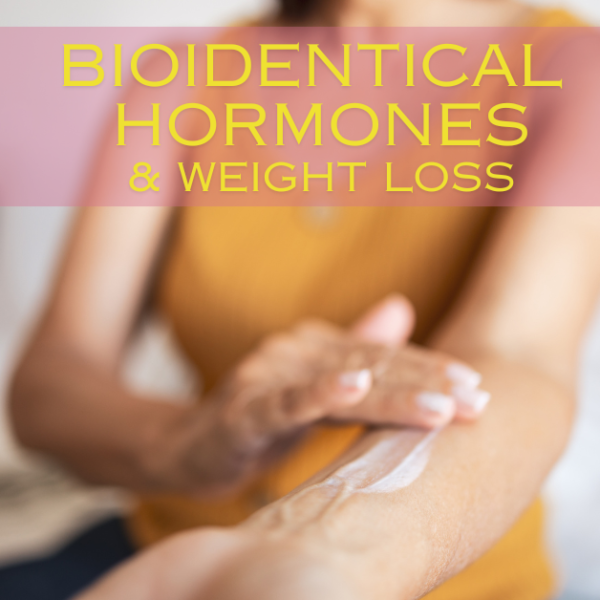
You apply the gel once daily to clean skin on your upper arm, shoulder, or thigh. It’s even better absorbed after a shower but make sure you pat down your skin a bit first.
Most women use 1 to 2 pumps, depending on their prescribed dose, and absorption is maximized when you rub it into a small area for 2 minutes. If you distribute it too widely, it won’t absorb as well.
What estradiol gel options are out there?
EstroGel, Divigel, and Elestrin are FDA-approved options that are widely available, even during the patch shortage. Be warned, these can be expensive, but if you have insurance coverage for your estradiol patch, it should cover the estradiol gel also.
The texture is light, dries quickly, and doesn’t leave residue on clothes if you let it absorb for a few minutes before getting dressed.
One thing to watch: wash your hands after applying, and avoid skin-to-skin contact with others for at least an hour. The gel can transfer, and you don’t want your partner or children absorbing your hormone dose.
Your doctor can write a new prescription, and most insurance plans cover it the same way they cover patches.
If you’ve been stable on patches for months or years, switching to gel usually requires minimal dose adjustment because the delivery method is so similar. But it’s possible it may not work as well for you as the shortage, so be sure to talk with your health care provider if you start having low estrogen symptoms again after starting the gel (hot flashes, joint pain, itchy skin, night sweats, mood changes- just to name a few).
Why this works as a patch replacement: Same transdermal absorption, same low clot risk, same steady hormone levels throughout the day. It’s the closest alternative available right now.
2. MYLAN IS THE ONLY GENERIC PATCH OPTION POTENTIALLY AVAILABLE
If you’re determined to stay on patches, Mylan is the generic manufacturer still producing them.
Availability is inconsistent, but some pharmacies still have stock, especially small indepenent and mail-order pharmacies that maintain relationships with harder-to-find suppliers.
Mylan produces estradiol patches in the standard doses: 0.025 mg, 0.0375 mg, 0.05 mg, 0.075 mg, and 0.1 mg per day.
These are supposed to be bioequivalent to brand-name options like Climara and Vivelle-Dot, meaning your body processes them the same way. The reason I say “supposed to be” is there are many women who report this type of patch doesn’t work as well, or at all, for them. This may be due to a different type of estradiol they use or the type of adhesive. So, if you switch to a rectangular patch and you find it’s not working as well, check the manufacturer and consider changing to one of these other forms.
Call around to independent pharmacies first. Chain pharmacies are often the first to run out because their ordering systems prioritize high-volume products.
You can ask the pharmacy ahead of time to see what type of generic patch they are currently stocking.
Another option: check with mail-order pharmacies tied to your insurance. They sometimes have access to stock that local pharmacies don’t.
Set expectations correctly: Even Mylan patches are hit or miss right now. If you find them, consider asking your doctor for a 90-day supply instead of 30 so you’re not scrambling again next month.
3. COMPOUNDED ESTRADIOL CREAM OFFERS CUSTOMIZABLE DOSING
Compounded estradiol cream is made by specialized compounding pharmacies that mix hormones to order based on your doctor’s prescription.
This isn’t the same as over-the-counter creams or unregulated supplements. Compounded prescriptions are pharmacy-grade and require a doctor’s prescription just like any FDA-approved medication.
Compounded estradiol cream is applied to areas with thinner skin like the inner arms, inner thighs, or lower abdomen.
Absorption is reliable when applied correctly, and you can work with your compounding pharmacy to adjust the dose if needed.
One major advantage: if you’ve had trouble finding the exact patch dose you need, compounding allows for precise customization. Your doctor can prescribe exactly 1.5 mg if that’s what keeps your levels stable, something mass-manufactured products can’t always offer.
Most compounding pharmacies offer estradiol in a cream base, which many women find easier to apply than gels because it’s thicker. However, alcohol-based gels can often be absorbed faster and more effectively, so results may vary between gel and cream.
Typical dosing ranges from 0.25 mg to 1 mg applied once or twice daily depending on your needs and how your body metabolizes estrogen.
Compounded options aren’t always covered by insurance, so confirm pricing before filling your prescription. Costs typically range from $30 to $80 per month depending on dose and pharmacy.
The key to success with compounded cream: consistency. Apply it at the same time daily, to the same body areas but rotate between inner arms, wrists, and inner thighs, and give your body two to three weeks to adjust before judging effectiveness.
4. BIEST 80/20 AND BIEST 50/50 ARE COMPOUNDED ALTERNATIVES WORTH UNDERSTANDING
The compounded formula Biest stands for bi-estrogen, a compounded blend of two types of estrogen: estradiol and estriol.
The blend Biest 80/20 contains 80% estriol and 20% estradiol.
Alternatively, the blend Biest 50/50 contains 50% estriol and 50% estradiol.
Estriol is a weaker estrogen that some practitioners believe offers benefits for vaginal. mood, and urinary health while contributing less to systemic estrogen effects.
These formulations are popular in integrative and functional medicine practices like mine, especially among providers who prefer bioidentical hormone therapy tailored to individual hormone panels.
Important context: Biest formulations are not FDA-approved creams because they are compounded. That doesn’t mean they’re unsafe, but it does mean the research backing them is not as robust as FDA-approved transdermal estradiol. However, I use trusted, inspected, and regulared compounded pharmacies, and they do an excellent job at helping my patients individualize their hormone formulations.
Some women report excellent results on Biest, especially those who had side effects on standard estradiol-only therapy.
Others find the estriol component too weak and end up needing higher doses to achieve symptom relief.
If you’re considering Biest: work with a provider experienced in compounded hormone therapy. They should monitor your hormone levels through blood work and adjust your dose based on symptoms and lab results, not guesswork.
Dosing for Biest is highly individual. Some women use 1 mg daily, others need up 3 mg or more depending on their response and the ratio they’re prescribed. I often find that the 50/50 blend works better in mid or late perimenopause, or beyond.
The bottom line on Biest: It’s a real option, especially if you’re already working with a provider who uses compounded bioidentical hormones. But it’s not a like-for-like patch replacement, and you’ll need closer monitoring during the transition.
5. KNOWING HOW TO FIND A REPUTABLE COMPOUNDING PHARMACY MATTERS
Not all compounding pharmacies are created equal.
You want one that’s accredited, experienced, and follows strict quality standards because you’re trusting them to mix your hormones accurately.
Look for PCAB accreditation. The Pharmacy Compounding Accreditation Board sets the gold standard for compounding quality and safety. Accredited pharmacies undergo regular inspections and testing.
Check if they’re a member of PCCA (Professional Compounding Centers of America). PCCA-member pharmacies have access to high-quality raw materials and ongoing training.
Ask about testing. Reputable compounding pharmacies test their formulations for potency and purity. They should be able to provide certificates of analysis if you ask.
Verify they require prescriptions. If a pharmacy is willing to sell you hormones without a prescription, that’s a red flag. Legitimate compounding requires a doctor’s order.
Read reviews and ask for references. Other patients using compounded hormones can tell you about consistency, customer service, and whether their symptoms improved on that pharmacy’s formulations.
Some well-regarded compounding pharmacies ship nationwide, so you’re not limited to what’s available locally.
Your doctor may already have relationships with trusted compounding pharmacies. Ask who they recommend and why.
Price transparency matters too. A good compounding pharmacy will give you an accurate price quote before filling your prescription so there are no surprises at pickup.
One red flag to avoid: pharmacies pushing proprietary blends or testing kits that aren’t backed by mainstream medical evidence. Stick with pharmacies that work within the standard of care, even when compounding custom formulations.
WHAT ABOUT ORAL ESTRADIOL PILLS?
You’ll see oral estradiol pills at most pharmacies, and they’re not in short supply.
But there’s a reason they shouldn’t be your first choice: oral estrogen significantly increases the risk of blood clots.
When you swallow estrogen, it passes through your liver before entering your bloodstream. That first-pass liver metabolism triggers the production of clotting factors, raising your risk of deep vein thrombosis and pulmonary embolism.
Patches, gels, and creams bypass the liver, keeping clot risk much lower.
For most women, especially those over 60 or with other clot risk factors like obesity, smoking, or a history of clotting disorders, oral estrogen isn’t worth the risk.
If your doctor suggests switching to oral estradiol during the shortage, have a direct conversation about your clot risk and whether safer transdermal options have been fully explored.
The shortage is frustrating, but it’s not a reason to accept a riskier delivery method.
FINAL THOUGHTS
The estrogen patch shortage is real, but your hormone therapy doesn’t have to stop.
Estradiol gel, Mylan generic patches, compounded estradiol cream, vaginal rings like the Femring that offer systemic dosing, and Biest formulations all offer paths forward while supply catches up.
Work with your provider to find the option that matches your risk profile, lifestyle, and symptom management goals.
And if you’re exploring compounded options, take the time to find a reputable pharmacy that prioritizes quality and transparency, and a provider that is experienced in prescribing compounded medication.
You have more options than your first pharmacy made it seem so don’t give up and accept that there aren’t alternatives!







Leave a Reply
You must be logged in to post a comment.