STAGES OF PERIMENOPAUSE: A COMPLETE GUIDE TO WHAT’S HAPPENING IN YOUR BODY
Why Perimenopause Has “Stages”
Perimenopause isn’t one moment — it’s a multi-phase hormonal transition that can last anywhere from 2 to 10 years. Your estrogen, progesterone, cortisol, thyroid hormones, and even insulin all shift in different patterns depending on the stage you’re in.
Understanding where you are in this hormonal transition helps you:
-
Make sense of your symptoms
-
Choose the right nutritional and lifestyle support
-
Know when to consider lab testing or hormone or nutrient/supplement therapy
-
Avoid the frustration of feeling like your body is “changing overnight”
This guide breaks down the four key stages of perimenopause, what symptoms are common in each, and the best steps you can take to feel better now.
Stage 1: Early Perimenopause (Hormone Fluctuation Phase)
This is the stage when most women start sensing that “something is off,” even though cycles may still be regular. It’s hard to nail down because different women experience this stage differently but let’s look at what’s possible:
What’s happening hormonally
-
Estrogen becomes spiky and unpredictable
-
Progesterone begins to decline
-
Cortisol often increases
-
PMS may intensify
Common symptoms
-
Heavier periods
-
Mid-cycle anxiety
-
Breast tenderness
-
Sleep disturbances (especially 2–4 a.m.)
-
New migraines
-
Weight suddenly harder to manage
-
Cyclical mood swings
Best support strategies in Stage 1
These strategies can help balance your hormones during this tricky stage!
-
Prioritize fiber + protein at each meal to stabilize estrogen metabolism. Your overall daily goal should be 20-30 grams protein per meal if you eat 3 meals per day, roughly 60-90 grams per day. Aim for the higher end if you workout often, lower end if you are more sedentary. Fiber is optimal at 30-35 grams per day.
-
Try supportive supplements:
-
Magnesium glycinate 200–400 mg at night (sleep + nervous system support). If your bowels become loose then go down to the previously tolerated dose.
- DIM- This herb can be super helpful if you have estrogen dominance, meaning your estrogen is high and your progesterone is moderate to low. Follow the doses on the packaging but here’s a blend I love:
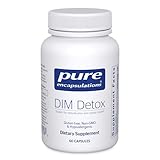 Pure Encapsulations DIM Detox | Supplement Support for Detoxification and Cellular Health* | 60 Capsules
- Liver Support: DIM Detox promotes healthy cell cycle function and hormone metabolism to support the liver's natural detoxification process and cellular health.*
- Healthy Detoxification Support: The glucosinolates in broccoli, including indole-3-carbinol, and sulforaphane, help support healthy detoxification BioResponse DIM provides 25 mg per serving of a highly absorbable form of diindolylmethane, an important metabolite of indole-3-carbinol.*
- Antioxidant Support: Silymarin, alpha lipoic acid and n-acetyl-l-cysteine act to support phase II detoxification enzyme activity in the liver and offer antioxidant support for cellular function.*
- Pure Quality: Our supplements are made with only premium ingredients sourced from trusted suppliers and guided by our nutritional experts, then carefully manufactured and tested to verify their potency and purity.
- Pure Difference: What makes us different isn't just our process or what goes into our supplements -- what we leave out matters, too. Pure Encapsulations products are free from wheat, eggs, tree nuts & peanuts, gluten, artificial colors, flavors & sweeteners, coatings and shellacs, GMOs, and unnecessary binders, fillers & preservatives.
- Other supportive supplements include: Calcium d-glucarate (helps process unhealthy estrogen breakdown products), Ashwagandha (helps balance hormones and boost mood), Broccoli Sprouts (helps balance and detox unhealthy hormone levels), Vitex (helps boost declining progesterone levels) and NAC (helps boost liver to help with metabolism and detox). The above recommendation, DIM Detox, has all of these!
-
-
Add cruciferous vegetables, flaxseed, and or chia seeds, and hydration. All of these can help with detoxification of unhealthy hormone levels, hormone balance, liver health, feeling full, and good healthy bowel movements (these are important anytime but particularly during perimenopause).
-
Start working on lowering stress levels through
-
breathwork- try techniques like 4-7-8 breathing or box breathing. Build these breath breaks into your day by doing them before meals and before bed, and it’s great to do them before, during, or after stressful activities/times. Aim for 3 rounds of breaths in a row.
-
guided relaxation- we are lucky to live in a time of multiple free or low cost resources for meditation, guided imagery, mantras, and healthy self-talk. Try apps like Calm, Aura, or Headspace if you need guidance, or free YouTube videos.
-
consistent sleep timing- your hormones LOVE routine so try to go to bed at the same time and wake up at the same time and have consistent night time routines to wind down.
-
Helpful Guides:
✔Check out this article to learn more about Perimenopause Symptoms:
✔ Here’s what you need to know about estrogen dominance!
✔ Learn more about the stages of perimenopause here
Stage 2: Mid Perimenopause (Cycle Changes Become Obvious)
This is typically when women truly realize: “Okay, things are changing.” Cycles are shifting, moods are changing, and women often don’t feel like themselves anymore.
What’s happening hormonally
-
Estrogen surges and dips
-
Progesterone remains low
-
Cycles may shorten to 24–26 days
-
Cortisol and blood sugar stability often worsen
Common symptoms
-
Increased irritability
-
Insomnia
-
Worsening PMS
-
More bloating
-
Irregular bleeding
-
New food sensitivities
-
Hot flashes (starting)
-
Brain fog
-
Slower recovery from exercise
Best support strategies in Stage 2
-
Support blood sugar regulation and reduce refined carbohydrates
-
Add in strength training 2–4x/week
-
Evening magnesium, melatonin (if needed), limiting screen time at night + morning light exposure
-
Consider discussing progesterone therapy with a clinician (if indicated)
- Evaluating if you need to start any of the supplements mentioned above, particularly Vitex and/or DIM. Here is another good blend that can be useful in Stage 2 as it helps hormones stay steady and supports the cyclical nature of estrogen during this stage:
; I also LOVE Hormone Harmony by Happy Mammoth, follow the link above and you can get a discount on this super helpful hormone blend!
 Designs for Health FemGuard + Hormone Balance for Women - DIM, Black Cohosh, Calcium D-Glucarate, EGCg Green Tea Extract & Chaste Tree Supplement for Mood Support & Estrogen Metabolism (120 Capsules)
- FemGuard Balance Complex for Women - FemGuard + Balance contains classic women's health-supportive herbs in the form of vitex, polygonum and black cohosh root, along with DIM and chrysin.*
- Promotes Healthy Estrogen Metabolism - Includes 100 mg of DIM (diindolylmethane) to promote the production of the more beneficial estrogen metabolites over the potentially toxic estrogen byproducts to support estrogen balance for women and optimal health. Calcium-D-glucarate promotes the proper elimination of excess estrogens.*
- Mood Support & More - Black Cohosh supports hormone balance, especially during menopause, and the normal production of neurotransmitters that also offer mood support. Chaste tree extract (vitex supplement for women) supports estrogen and progesterone levels.*
- Premium Nutrients & Botanicals - Features nutrients and phytochemicals to further support overall health and estrogen metabolism, including bioactive B12 folate, P5P vitamin B6, magnesium, resveratrol, green tea extract (EGCg), and broccoli seed extract.*
- Clinically-Trusted Care - DFH is the #1 practitioner supplement brand recommended by functional medicine professionals and the #1 practitioner supplement brand personally trusted by functional medicine professionals.**
-
Track cycle patterns to understand your symptom timing
Helpful Resources:
- Learn more about how nutrition needs change in this blog: What are refined carbs: How they impact hormones and weight
- Explore more about: Peptides for women
- Experiencing brain fog? Check out this blog: Brain fog causes + natural remedies
- Stages of perimenopause
Stage 3: Late Perimenopause (The “Transition” Stage)
This is when you begin skipping periods or having them widely spaced apart.
What’s happening hormonally
-
Estrogen starts declining more consistently
-
Progesterone is very low
-
FSH and LH rise
-
Brain–ovary communication becomes irregular
Common symptoms
-
Hot flashes + night sweats
-
Mood swings
-
Fatigue
-
Pelvic changes
-
New or worsening vaginal dryness
-
Cycles 40–60 days apart, or longer
-
Increasing anxiety
-
Weight redistributed to midsection (this can happen at any stage but often gets worse at this stage)
Best support strategies in Stage 3
-
Increase protein intake (30–40g/meal)
-
Support gut health + estrogen detoxification
-
Prioritize sleep hygiene
-
Discuss estrogen therapy (if it is right for you, your labs support it, etc) and check your labs
-
Add strength, mobility, and stability training
- Consider adding the FemGuard Balance or Hormone Harmony noted above, or other support supplement, particularly if you don’t want to use or aren’t ready for bioidentical hormone replacement therapy
Additional resources:
- Check out: How to read hormone blood tests
- Natural remedies for hot flashes
- How to use topical estrogen
- Weight gain + hormonal patterns
Stage 4: Final 12 Months Before Menopause
This is technically “late late perimenopause.”
What’s happening hormonally
-
Estrogen is low
-
Progesterone essentially gone
-
Adrenal hormones take on more work
-
Thyroid and insulin may fluctuate
Common symptoms
-
Hot flashes
-
Insomnia
-
Bladder and pelvic issues
-
Joint stiffness
-
Fatigue
-
Brain fog
-
Mood instability
-
Heart palpitations
Best support strategies
-
Consider bioidentical progsterone and estrogen therapy + local vaginal estrogen if appropriate
-
Prioritize protein, omega-3s, hydration, sleep, and other supportive supplement blends listed above in Stage 3
-
Reduce or eliminate alcohol and added sugar
-
Optimize gut health to improve estrogen metabolism
-
Support nervous system regulation (meditation, acupuncture, breathwork)
Additional Resources:
-
Consider checking out: Peptides guide
-
Or this blog: WalkFit app review (metabolism + movement)
-
How to Boost Menopause Metabolism: Adapt, Don’t Settle
When to Consider Lab Testing
Perimenopause doesn’t need labs for diagnosis, but they can help clarify confusing symptoms. Here are some guides that can help bring clarity during this time:
FAQ Section
How long does perimenopause last?
2–10 years, usually 4–6.
What stage am I in?
Look at cycle length + symptom patterns.
When does menopause officially start?
12 months without a period.
Does HRT help all stages?
Progesterone can help in Stage 1–2, while progesterone and estrogen are usually used in Stage 3–4.
Conclusion
Understanding which stage of perimenopause you’re in empowers you to make better decisions about nutrition, movement, supplements, hormone therapy, and self-care.
You do not have to navigate this alone — there are proven steps that bring relief in every phase.