
Wondering why your perimenopause symptoms change over time? It’s not all about crashing estrogen and progesterone- perimenopause affects your brain, gut, stress levels, metabolism and more!
Perimenopause symptoms do not stay the same because your body is not staying the same. Hot flashes that wake you up tonight might ease up next month, only to be replaced by mood swings or sudden weight gain you cannot explain. These shifts in perimenopause symptoms over time occur because five major body systems are changing simultaneously during the menopausal transition. Hormones fluctuate wildly, your brain chemistry adjusts to less estrogen, gut health impacts inflammation, stress amplifies everything, and metabolism slows down. Once you understand what is driving these changes, you can work with your healthcare provider to find treatment options that actually match what your body needs right now.
This blog is all about why perimenopause symptoms change over time.
*This blog contains affiliate links for which, at no additional cost to you, I may earn a small commission.
1) Hormone Changes during Perimenopause Over Time
Hormonal changes are the main reason perimenopause symptoms change so dramatically over time. Your hormone levels do not decline in a smooth, predictable way. Instead, estrogen levels bounce up and down erratically throughout these years, while progesterone generally declines steadily. These discrepancies create wildly different symptoms from one menstrual cycle to the next.
During the early perimenopause, you might still have regular periods but notice changes in cycle length or heavier bleeding. Your body is producing fluctuating levels of estrogen, which can spike unexpectedly before dropping again. These fluctuations create night sweats one week and mood swings the next. Progesterone levels often decline faster than estrogen, which can cause irregular periods, sleep problems, and increased anxiety.
As you move into late perimenopause, hormone production becomes even more unpredictable. Follicle-stimulating hormone levels rise as your ovaries work harder to release eggs, while estrogen continues its uneven descent. This is why some women experience worse or very different symptoms in late perimenopause than they did earlier. Your last menstrual period marks the end of perimenopause, but symptoms can continue well into the actual menopause stage. To learn more about the Perimenopause Stages, check out this guide!
Blood tests can measure hormone levels, but the results only show a snapshot of a single moment in time. Hormones fluctuate so much during the perimenopause stage that a single test rarely tells the whole story. Your healthcare provider will likely diagnose perimenopause based on your age, symptoms, and menstrual cycle patterns rather than relying solely on lab work- and this is how it should be done.
Because hormone levels are constantly shifting during perimenopause, treatment is rarely one-size-fits-all. In my practice, the goal is not to “chase numbers,” but to support the body through these transitions using a layered approach. For many women, foundational lifestyle strategies — like strength training, stress regulation, sleep support, and targeted nutrition — can significantly improve how the brain and ovaries communicate during this stage.
Supportive supplements may also help smooth hormone metabolism and progesterone decline. For some women with persistent or severe symptoms, bioidentical hormone therapy can be an important tool — but it’s typically one part of a broader plan, not the starting point. Understanding which stage of perimenopause you’re in and how hormones are fluctuating over time is key to choosing the right support.
What This Means for Your Treatment Plan
The chaotic nature of hormone changes in perimenopause means your treatment needs might shift over time. What relieves hot flashes during perimenopause might not address the vaginal dryness or bone density concerns that emerge later. Support that relieves mood swings may not help night sweats. Regular check-ins with your health care provider (and try to choose a provider that is skilled in working with women in perimenopause and menopause) help ensure your treatment options evolve alongside your hormonal changes.
2) Brain Changes during Perimenopause
Less estrogen in your brain creates a cascade of neurological changes that explain why cognitive (brain function) and emotional symptoms/ moods shift during perimenopause. Estrogen receptors exist throughout your brain, particularly in areas that regulate mood, memory, and temperature control. When estrogen levels drop or rollercoaster, these brain regions struggle to function as efficiently as they did before.
Brain fog is one of the most common and frustrating perimenopausal symptoms. You might walk into a room and forget why you are there, lose words mid-sentence, or struggle to concentrate on tasks that used to feel effortless. These are not signs of early dementia. They typically occur because estrogen helps maintain communication between brain cells, and lower levels or chaotic shifts temporarily slow that communication.
Mood changes and mood swings become more pronounced as estrogen fluctuations affect neurotransmitter production. Serotonin and dopamine, which regulate mood and motivation, rely partly on estrogen for proper function. This biological reality helps explain why the risk of depression and anxiety (see this blog for more info) increases during the menopausal transition. Mood symptoms are not character flaws or signs of weakness. They reflect real chemical changes happening in your brain.
Your brain also controls body temperature regulation through the hypothalamus, which becomes hypersensitive when estrogen levels drop. This hypersensitivity triggers hot flashes and night sweats. Even a tiny increase in core body temperature can signal your brain to activate cooling mechanisms, causing sudden sweating and flushing. How intense or significant these changes are often fluctuate as your estrogen levels continue to shift.
Mental health support becomes particularly valuable if you are experiencing significant shifts in mood or even brain fog during perimenopause. Some women benefit from therapy, others from supplements or medication, and many from a combination of both alongside hormone treatments, if indicated and deemed appropriate.
Sleep disturbances caused by night sweats, anxiety, or simply by estrogen and progesterone shifts further compound mood issues and brain fog, creating a cycle that can be difficult and hard to break out of. For more on the relationship between estrogen and sleep, check out this blog.
Though not covered extensively in this blog, the links throughout the blog show how bioidentical progesterone can often be helpful for brain health, sleep, stress, and mood. Adding progesterone is worth considering if diet, lifestyle, stress, sleep hygiene, and targeted supplements don’t help.
How Brain Chemistry Affects Different Times of Day
Many women notice their brain fog and mood symptoms worsen at specific times, often in the afternoon or evening when cortisol naturally dips and fatigue sets in. This pattern can happen because your brain relies on multiple hormones working together, not just estrogen. Understanding these patterns helps you schedule important tasks during your peak mental clarity hours and show yourself compassion during harder times of day. Keep in mind that sleep can factor into these dips- focusing on healthy sleep patterns (7-9 hours of sleep, regular sleep and wake times, dark, quiet, cool bedroom and limiting caffeine and alcohol) can make a world of difference in energy levels and brain function!
3) Gut Health in Perimenopause
Gut health plays a surprisingly powerful role in how perimenopause symptoms manifest and change over time. Your gut contains trillions of bacteria that can influence hormone metabolism, inflammation levels, and even mood through the gut-brain connection. Hormonal fluctuations during perimenopause alter this delicate bacterial balance, which can then affect how severely you experience perimenopausal symptoms.
Estrogen metabolism happens partly in your gut. Certain gut bacteria help break down and eliminate excess estrogen from your body. When your microbiome becomes imbalanced during perimenopause, this process becomes less efficient. Poor estrogen metabolism can worsen symptoms like bloating, mood issues, and weight gain. This sort of recirculated estrogen is also linked to an increased risk for breast cancer.
What you eat directly impacts this process, which explains why dietary changes often help some women while doing nothing for others.
Inflammation is another gut-related factor that intensifies perimenopause symptoms. Lower estrogen levels increase inflammatory markers throughout your body, but gut health determines how much inflammation you actually experience. An unhealthy gut lining allows inflammatory compounds to enter your bloodstream (think leaky gut), triggering joint pain, brain fog, and mood symptoms. Healing your gut through a whole-foods, high-fiber diet and possibly probiotics or other gut supportive shifts (learn more here) can reduce these inflammatory responses.
The gut-brain axis explains why digestive issues and mood symptoms often appear together during perimenopause. Your gut produces about 90% of your body’s serotonin, the neurotransmitter that stabilizes mood and supports sleep. When gut health declines, serotonin production drops, worsening anxiety, low mood, and sleep problems. This connection is why some women notice that addressing gut health also improves their mental health.
Why Gut Symptoms Come and Go
Your gut microbiome shifts in response to stress, diet changes, medications, and hormone fluctuations (among other factors). This means gut-related perimenopause symptoms rarely stay constant. You might experience bloating and digestive discomfort for several weeks, then feel completely fine for a month. These variations reflect your gut’s ongoing adaptation to changing hormone levels and external factors like nutrition and stress management. Working on sleep, stress, a whole foods, fiber-rich diet (35 grams a day is best) that is low in sugar and processed foods, and using supportive supplements (probiotics, added fiber, leaky gut repair) when appropriate can really help.
Here are some of my favorite gut-healing supplements:
- SEED ds-01 Synbiotic- truly unique blend of effective probiotics and synbiotics to help support a healthy gut!
 Seed DS-01 Daily Synbiotic - Prebiotic and Probiotic for Women & Men - Digestive Health, Gut Health, Immune Support, Bloating & Constipation Relief - Vegan & Shelf-Stable - 60 Capsules (30-Day Supply)
- 2-in-1 Prebiotic + Probiotic: Seed DS-01 Daily Synbiotic is formulated with 24 clinically and scientifically studied probiotic strains and a patented, plant-based prebiotic outer capsule to deliver benefits in and beyond the gut. 53.6 Billion AFU.
- Whole-Body Benefits: In addition to bloating relief and improved regularity, DS-01 is formulated for digestive and whole-body benefits, including gut health, digestive health, gut barrier integrity, immune support, skin health, and hearth health.
- Engineered to Survive: Seed’s patented capsule-in-capsule ViaCap delivery technology protects probiotics through digestion to ensure the full probiotic dose reaches the colon. DS-01 is shelf-stable and no refrigeration is required.
- Getting Started: If it's your first time taking DS-01, or its been more than a week since your last dose, take 1 capsule daily for three days before moving on to 2 capsules daily. You may notice mild gastrointestinal discomfort or changes in digestion. Any discomfort typically resolves in 1-2 weeks.
- Customer Support: DS-01 goes through extensive third party testing for safety and quality. If you have questions about DS-01, or aren't satisfied with your purchase, reach out to us directly and we'd be happy to help.
- SunFiber: dissolvable supplemental fiber providing 7 grams of fiber and fuel to feed your good bacteria.
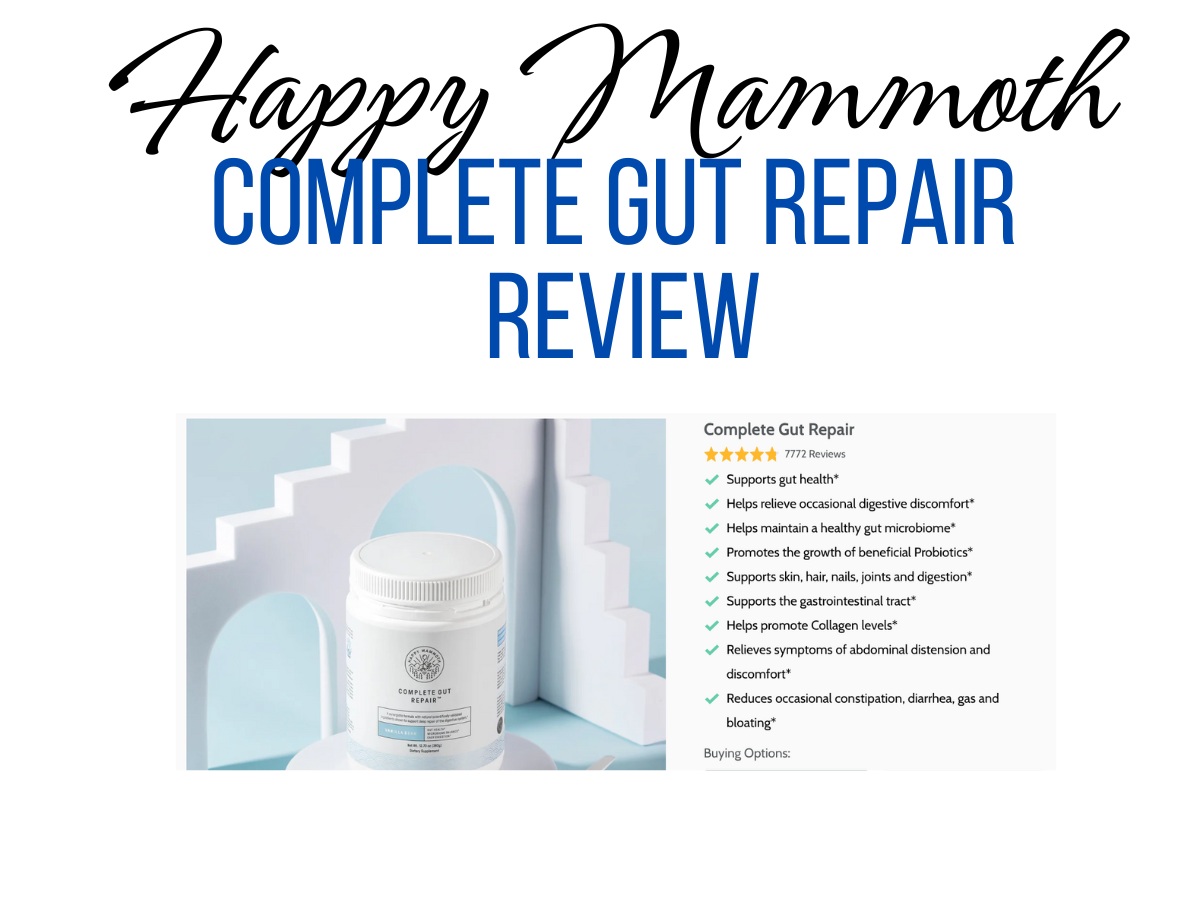
- Happy Mammoth Gut Repair Powerful blend of gut healing nutrients to both feed a healthy gut and reestablish a healthy gut lining.

4) Stress and Perimenopause over time
Stress amplifies every perimenopausal symptom because it disrupts hormone balance, sleep quality, and immune function all at once. Your body cannot distinguish between physical stress and emotional stress. Whether you are dealing with work pressure, family responsibilities, or financial worries, your system responds by releasing cortisol and adrenaline. These stress hormones interfere with already unstable estrogen and progesterone levels, making hot flashes, insomnia, mood swings, and irregular bleeding worse.
High cortisol levels particularly impact sleep, creating a vicious cycle during perimenopause. Stress keeps you awake at night, and poor sleep increases stress hormones the next day. Night sweats can interrupt whatever sleep you do manage to get, leaving you exhausted and less able to cope with daily stressors (i/e poor stress resilience). This sleep deprivation then worsens mood symptoms, brain fog, and physical symptoms like headaches and body aches. It can also intensify cravings for sugar and processed carbs.
Chronic stress during perimenopause increases your risk of developing other health conditions that complicate the transition. Elevated cortisol promotes weight gain around your midsection (this is very common), raises blood pressure and cholesterol, and weakens bone density. These effects compound the natural metabolic changes happening during perimenopause, making weight management and cardiovascular health harder to maintain. Your medical history and current stress levels should inform your treatment approach.
Lifestyle changes that reduce stress can have dramatic effects on symptom severity. Regular exercise, particularly strength training and weight-bearing exercises, as well as smooth steady cardio activities like walking or swimming, lowers cortisol while supporting bone health, metabolism, and mood. Mind-body practices like yoga, meditation, and deep breathing activate your parasympathetic nervous system, counteracting stress responses. Even short daily practices can reduce hot flash frequency and improve sleep quality over time. Just 5-10 minutes a day can turn around a lot of perimenopause symptoms- but give it time, this is not a quick fix! This guide walks you through supportive lifestyle and nutrition strategies during hormonal shifts like perimenopause.
The perimenopausal transition hits during a life stage when many women face peak stress from multiple directions. Aging parents need care, teenagers need guidance, careers demand attention, and relationships require maintenance. Recognizing that stress directly worsens your symptoms is not about adding guilt to your plate. It is about understanding that stress management is not optional self-care during this time but essential healthcare. Let’s say it again- self care is not optional, it’s as important if not more important than many of the minutes you might be spending on others!
When Stress Reduction Actually Changes Your Symptoms
Many women notice that many perimenopause symptoms ease during vacations or calmer periods, then return when stress ramps up again. This pattern illustrates the direct link between stress and symptom severity. Building sustainable stress management into everyday life (and I do mean everyday, it must become a daily habit) rather than saving it for occasional breaks, can smooth out some of the dramatic symptoms that make perimenopause feel so unpredictable and overwhelming.
5) Metabolism Shifts and Perimenopause
Metabolism slows during perimenopause, changing how your body processes food, stores fat, and builds muscle. This metabolic shift explains why weight gain becomes common even when eating and exercise habits stay the same as they were in your 20s. Shifting estrogen levels reduce your metabolic rate and change where your body stores fat, shifting it from hips and thighs to your abdomen. This abdominal weight gain is not just cosmetic. It increases your risk factors for heart disease and diabetes and elevates cortisol levels.
Muscle mass naturally declines with age, but estrogen loss accelerates this process during perimenopause and beyond. Less muscle means a slower metabolism because muscle tissue burns more calories at rest than fat tissue does. This creates a frustrating cycle where metabolic changes make it easier to gain weight and harder to lose it, even with diet and exercise efforts that worked perfectly well a few years ago.
Insulin sensitivity decreases during perimenopause, too, affecting how your body handles carbohydrates and blood sugar. Many women notice increased cravings for sweets and carbs during perimenopause, partly driven by fluctuating blood sugar and partly by the brain seeking quick energy to compensate for poor sleep and high stress. These cravings, combined with reduced insulin sensitivity, contribute to weight gain and energy crashes throughout the day.
Your thyroid function can also change during perimenopause, adding another metabolic complication. Some women develop thyroid issues for the first time during this transitional phase. Symptoms of hypothyroidism, like fatigue, weight gain, and brain fog, overlap significantly with perimenopausal symptoms. Blood tests that check thyroid function alongside hormone levels help your healthcare provider determine whether thyroid treatment might improve your symptoms.
Physical activity becomes more important during perimenopause, not less, because it directly counteracts metabolic slowdown. Strength training builds muscle mass, which boosts metabolism and supports bone density. Weight-bearing exercises reduce osteoporosis risk while improving insulin sensitivity and cardiovascular health. Regular exercise also improves sleep quality, reduces stress, boosts mood and energy, and helps maintain a healthy weight, addressing multiple perimenopausal concerns (there’s no one medicine that can do all that exercise does for you).
Why Metabolic Changes Affect Symptoms Differently Over Time
Metabolism does not crash suddenly at the start of perimenopause. It gradually slows throughout the entire transition time, which spans an average age of menopause around 51, but can begin in your late 30s or early 40s. The first signs of perimenopause might not include weight changes, but by late perimenopause, metabolic shifts can become obvious for many women. Understanding this progression helps you adjust your nutrition and exercise strategies at the right times, rather than waiting until weight gain feels out of control.
The Wrap Up
Every woman’s experience of perimenopause is unique, and your symptoms will continue to evolve throughout this journey. Instead of feeling frustrated by these changes, use them as information. Your body is telling you what it needs right now. Whether that is lifestyle changes, stress management, targeted supplements, hormone therapy, or a combination of approaches, you have options. The end of perimenopause eventually comes after a full year without a period, but you do not have to wait that long to feel better. Small changes today can make everyday life more manageable tomorrow.
Not sure where to start?
If your perimenopause symptoms feel unpredictable, begin with the basics that support hormone balance across every stage.
👉 Download my 3-Day Perimenopause Diet & PM Supplement Guide — a simple, practical starting point to support sleep, mood, digestion, and metabolism.

Dr. Shelley Meyer is a board-certified family physician and Institute of Functional Medicine-certified functional medicine physician, as well as a Registered Dietitian. She is passionate about helping women navigate the roller coaster of perimenopause and postmenopause. She has her own Functional Medicine Practice in Denver, Colorado.







Leave a Reply
You must be logged in to post a comment.