
Perimenopause anxiety is real. It’s not in your head. It’s in your hormones, your nervous system, your gut, and your blood sugar. And it’s fixable. Having perimenopause anxiety symptoms? Let’s dive into how they present, and what you can do about it!
You wake up at 3am with your heart pounding, no reason, just panic.
Your chest feels tight even though your doctor says your heart is fine. Your mind races over nothing. You feel like something terrible is about to happen, but you can’t explain what. And the worst part? Everyone keeps telling you to relax, meditate, or manage your stress better. But this doesn’t feel like stress. It feels chemical, innate, and chaotic. It feels out of your control.
Because it is.
This is perimenopause anxiety, and it doesn’t show up the way most people expect.
This post contains affiliate links for which we may earn a small commission at no additional cost to you.
This is not considered medical advice. Please consult with your healthcare provider if you are having symptoms and before starting any supplement or medication.
THE PHYSICAL SYMPTOMS THAT FEEL LIKE PANIC ATTACKS
Perimenopause doesn’t just mess with your mood. It can rewire your nervous system and affect how your body responds to normal life. The anxiety shows up in your chest, your heartbeat, your breathing, and/or your gut. These aren’t metaphors. They’re measurable physiological shifts driven by hormone fluctuations you can’t see on standard bloodwork.
1. Sudden Anxiety Out of Nowhere
You’re folding laundry or sitting in traffic, and a wave of dread crashes over you. It doesn’t make sense, yet it happens.
This isn’t triggered by a stressful event or a looming deadline. It arrives unannounced, peaks within minutes, and leaves you shaken. Most women describe it as feeling like something terrible is about to happen, but they can’t name what. It’s not generalized worry. It’s acute, physical, and feels completely irrational.
Here’s what’s actually happening: Estrogen fluctuations and progesterone decline destabilize your brain’s production of serotonin and GABA, two neurotransmitters that regulate mood and calm. When estrogen drops suddenly (which it does repeatedly in perimenopause) or progesterone drops steadily, your brain loses its chemical cushion. The result is an overactive amygdala, the part of your brain responsible for threat detection.
The following perimenopause anxiety symptoms can pop up:
- Your brain interprets normal stimuli as threats
- Your sympathetic nervous system kicks into fight-or-flight
- Cortisol and adrenaline flood your system
- You feel panic without a clear cause
This symptom often shows up in the luteal phase of your cycle (the two weeks before your period) when progesterone should rise but doesn’t. Without progesterone’s calming effect, estrogen dominance can amplify anxiety signals.
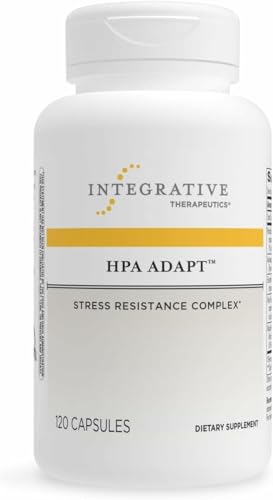
What helps: Stabilizing blood sugar with protein-rich meals every 3 to 4 hours, using magnesium glycinate before bed, l-theanine throughout the day or evening, and practicing vagal nerve activation through cold water exposure, deep breathing techniques, or humming exercises can reduce the frequency and intensity of these episodes. There are other lifestyle changes, supplements, and even hormone replacement options that can help, so read on for more detail, but here’s a supplement combo I love for perimenopause anxiety!
The goal isn’t to eliminate every wave of anxiety. It’s to shorten the duration and lower the baseline so your nervous system has more resilience when fluctuations happen.
2. Waking Up at 3am with Racing Thoughts
You fall asleep fine, then wake bolt upright between 2am and 4am with your mind spinning.
Your heart might be racing. You might feel hot. Your thoughts loop over things that didn’t bother you during the day. Work deadlines. Old conversations. Hypothetical disasters. The harder you try to calm down, the more awake you become. By morning, you’re exhausted before the day even starts.
This can be cortisol mistiming caused by blood sugar crashes and progesterone deficiency. In addition or alternatively, it can be caused by estrogen decline or fluctuations.
During perimenopause, declining progesterone reduces your brain’s production of allopregnanolone, a metabolite that promotes deep sleep and calm. At the same time, unstable blood sugar (especially if you ate a carb-heavy dinner or skipped protein at lunch) can cause your blood glucose to plummet overnight. Your body releases cortisol to raise it back up. That cortisol spike can wake you up in a state of hyperarousal.
Common patterns that make these wake-ups worse:
- Eating dinner late or skipping balanced meals during the day
- Drinking alcohol in the evening (destabilizes blood sugar overnight)
- High caffeine intake after noon (extends cortisol elevation)
- Chronic under-eating or over-exercising (keeps cortisol chronically elevated)
Your sleep-wake cycle is reacting to hormonal instability it wasn’t designed to handle.
What actually works: A small protein and fat snack 30 to 60 minutes before bed (a spoonful of almond butter, a hard-boiled egg, or a few bites of full-fat yogurt) stabilizes blood sugar overnight. But it’s recommended to first try a dinner with adequate protein and fiber. The reason I say try this first is that a fasting period overnight could be good for blood sugar and hormone balance. But if this makes things worse or doesn’t help, then try the snack idea. Avoiding simple sugars, low fiber carbs, and alcohol in the evening can also help.
And if you wake up anyway, don’t fight it. Get out of bed, do something boring under dim light, and return when you feel sleepy again. Lying there anxious trains your brain to associate bed with panic.
This symptom improves when you treat the root cause (blood sugar and progesterone), not when you add more sleep hygiene rules.
3. Physical Anxiety (Heart Racing, Tight Chest, Internal Buzzing)
Your chest feels tight even though your EKG is normal.
Your heart races during a calm conversation. You feel a humming sensation under your skin, like your nervous system is vibrating at a frequency no one else can detect. You might feel short of breath even though your oxygen levels are fine. Doctors check your thyroid, your heart, your lungs. Everything comes back normal. But you know something is off.
This is your autonomic nervous system stuck in overdrive.
Estrogen receptors are present throughout your cardiovascular system and in your vagus nerve, the main nerve that regulates your parasympathetic (rest-and-digest) response. When estrogen fluctuates unpredictably, your heart rate variability drops. Your body loses the ability to shift smoothly between sympathetic (alert) and parasympathetic (calm) states. You get stuck in sympathetic dominance, which feels like constant low-level panic.
Progesterone normally activates GABA receptors in your brain, which slow your heart rate and relax smooth muscle tissue (including the muscles around your chest and throat). Without enough progesterone, your muscles stay tense, and your heart stays reactive.
Physical signs this is hormonal, not cardiac:
- Symptoms worsen in the week before your period
- They improve slightly after your period starts
- Stress makes them worse, but they also happen during rest
- Caffeine or sugar intensify the sensation immediately (though this can be the case with some arrhythmias, so be sure you get that EKG checked before you rule those out)j
- It doesn’t get worse with exercise or times when you are stressing your heart
This feels like it’s in your heart, but it can be a physiological state driven by neurotransmitter imbalance.
What brings relief: Cold water on your face or neck activates the vagus nerve and forces a parasympathetic response. Box breathing (inhale 4 counts, hold 4, exhale 6, hold 2) shifts your nervous system out of fight-or-flight. L-theanine (100 to 200mg) increases alpha brain waves and promotes calm without sedation. And reducing stimulants (caffeine, high-intensity exercise, over-scheduling) lowers your baseline sympathetic tone, giving your body room to recover. Gentle movement, like yoga, walking in nature, or Pilates, can be very helpful vs. high-intensity exercise, but exercise in general can help reduce physical anxiety as long as it feels nourishing and manageable.
You’re not imagining the buzzing. Your nervous system is reacting to real chemical changes.
THE EMOTIONAL AND COGNITIVE PATTERNS THAT CONFUSE EVERYONE
Perimenopause anxiety doesn’t just show up in your body. It hijacks your thoughts, your sense of safety, and your ability to focus. These symptoms are harder to name because they feel personal, not physical. But they’re just as hormonal.
4. Feeling Like “Something Is Wrong” But Labs Look Normal
Something is off, but no test confirms it.
You feel a persistent sense of dread or unease that doesn’t match your actual life circumstances. It might be described as feeling disconnected, like you’re watching your life through glass. Or like danger is lurking just out of sight. You go to your doctor. They run labs. TSH, CBC, metabolic panel. Everything looks fine. They suggest therapy or an SSRI (I hear this from women all the time). But this doesn’t feel like depression. It feels like your body is trying to warn you about something.
Here’s why standard labs miss this: Hormone fluctuations happen daily, sometimes hourly, during perimenopause. A single blood draw captures one moment in time. It doesn’t show the swings. Estrogen might be high one day and crash the next. Progesterone might be low all month. A standard panel checks TSH (thyroid) but not free T3 or reverse T3. It checks total cortisol but not the pattern across the day. It doesn’t measure neurotransmitter metabolites, insulin sensitivity, or inflammatory markers.
Your doctor isn’t wrong to say your labs are normal. But normal labs don’t rule out a hormone problem. They just mean the problem isn’t showing up in the narrow window that standard testing looks at.
Clues this is hormonal:
- Symptoms started or worsened in your late 30s or 40s
- They fluctuate with your cycle
- They don’t respond to traditional anxiety treatment
- You have other perimenopause symptoms (hot flashes, cycle changes, brain fog)
You’re not making this up. You’re experiencing real neurochemical shifts that conventional testing wasn’t designed to detect.
What helps: Functional testing (DUTCH hormone panel, cortisol awakening response, comprehensive thyroid panel including antibodies) provides a clearer picture. But you don’t need perfect labs to start addressing the root cause. Blood sugar stability, sleep support, estrogen and progesterone-balancing herbs like ashwagandha, vitex, or rhodiola, and progesterone supplementation (when appropriate) can improve symptoms even without a formal diagnosis.
Trust what you’re feeling. Your body is giving you information your lab results aren’t capturing.
WHY CERTAIN TRIGGERS MAKE EVERYTHING WORSE
Perimenopause anxiety doesn’t exist in a vacuum. Certain lifestyle factors amplify the hormone swings and push your nervous system past its tipping point. These aren’t the cause of your anxiety, but they’re the difference between manageable and unbearable.
5. Poor Sleep or Insomnia
Sleep deprivation is gasoline on the anxiety fire.
Even one night of disrupted sleep increases cortisol, reduces insulin sensitivity, and impairs your brain’s ability to regulate emotion. When sleep deprivation becomes chronic (which it often does in perimenopause), your baseline stress response stays elevated. Your amygdala becomes hyperreactive. Your prefrontal cortex (the part of your brain that manages rational thought and emotional regulation) goes offline.
Why perimenopause ruins sleep: Progesterone promotes deep sleep by increasing GABA. When progesterone drops, you lose that sleep-inducing effect. Estrogen fluctuations trigger night sweats and temperature dysregulation, which wake you up repeatedly. Cortisol mistiming (caused by blood sugar instability) wakes you in the early morning hours. And anxiety itself makes it hard to fall asleep, creating a vicious cycle.
You can’t anxiety-manage your way out of sleep deprivation. The anxiety is partially caused by the lack of sleep.
What moves the needle: Prioritize sleep over everything else. This means a cool, dark room (65 to 68 degrees), blackout curtains, and a consistent sleep schedule even on weekends. Magnesium glycinate (300 to 400mg) an hour before bed supports GABA production and muscle relaxation. A bedtime routine that includes dimming lights and avoiding screens 60 minutes before sleep helps your brain produce melatonin. And if night sweats are the issue, keeping ice water and a small fan bedside allows you to cool down quickly and fall back asleep faster.
Sleep won’t fix everything. But nothing else works well without it.
6. Over-Caffeination or Alcohol
Caffeine and alcohol both destabilize the exact systems perimenopause is already disrupting.
Caffeine extends cortisol elevation and blocks adenosine receptors, keeping your nervous system in a heightened state even after the stimulant wears off. If you’re drinking coffee after noon, you’re still processing caffeine when you try to sleep. If you’re using it to compensate for poor sleep or energy crashes, you’re masking blood sugar instability and adrenal fatigue instead of fixing them.
Alcohol disrupts sleep architecture, tanks blood sugar overnight, and impairs your liver’s ability to clear estrogen. Even one glass of wine in the evening can cause a blood sugar crash at 3am, which triggers a cortisol release and wakes you up anxious. And because alcohol metabolizes into acetaldehyde (a toxic byproduct), it increases inflammation and oxidative stress, both of which worsen anxiety.
The combo effect:
- Caffeine in the morning to fight exhaustion from poor sleep
- Cortisol stays elevated all day
- Wine at night to “take the edge off”
- Blood sugar crashes overnight, sleep is disrupted again
- Wake up exhausted, repeat
Neither substance is inherently bad. But during perimenopause, your margin for error is smaller. What you tolerated in your 30s might now push you over the edge.
What helps: Cut caffeine after 10am and reduce total intake to one cup if anxiety is severe. Switch to half-caf or decaf if you love the ritual. And take a 30-day break from alcohol to see if sleep and anxiety improve. If they do, that’s data. You don’t have to quit forever, but you now know it’s a variable.
7. Under-Eating or Low Protein Intake
Skipping meals or eating low-protein, high-carb meals destabilizes blood sugar and amplifies anxiety.
When you under-eat or go too long between meals, your blood glucose drops. Your body releases cortisol and adrenaline to raise it back up. That feels like anxiety. Shaky hands, racing heart, irritability, brain fog. It’s not a mood problem. It’s a blood sugar problem.
Protein is the most important macronutrient for blood sugar stability and neurotransmitter production. Amino acids from protein are the building blocks for serotonin, dopamine, and GABA. If you’re not eating enough protein (especially at breakfast), your brain doesn’t have the raw materials to produce the neurochemicals that regulate mood and calm.
Common mistakes that worsen this:
- Starting the day with coffee and a carb (plain toast, bagel, pastry)- it’s better to choose a whole food carb high in fiber and pair it with a protein and fat (want more meal ideas? Checkout the video below or get my free 3 day perimenopause meal plan)
- Skipping lunch or eating a salad with no substantial protein
- Eating a carb heavy dinner without adeqaute protein, fiber, and fat
- Restricting calories to lose weight, which keeps blood sugar unstable
Your body interprets under-eating as a stressor. It responds by increasing cortisol and reducing metabolic rate. That makes anxiety worse and weight loss harder.
What actually stabilizes things: Eat protein within an hour of waking (30g minimum). Structure meals around protein first, then add fat and fiber, then add carbs last. Aim for 25 to 35 grams of protein per meal and never go longer than 4 hours without eating during the day. If you wake up anxious at night, a small protein snack before bed (10 to 15g) can prevent the blood sugar crash that wakes you up. If this happens often then try to make sure your evening meal has aqequate calories, and is high enough in protein, fat, and fiber to stabilize your blood sugar throughout the evening. Checkout this video to learn more:
Blood sugar stability is the foundation. Nothing else works if this piece is missing.
THE NERVOUS SYSTEM AND GUT FACTORS NO ONE MENTIONS
Perimenopause anxiety isn’t just about estrogen and progesterone. Your gut health, stress patterns, and chronic overload all play a role. These are the pieces that get overlooked in standard treatment, but they’re often the difference between mild anxiety and full-blown panic.
8. Chronic Stress and Over-Scheduling
Your nervous system was already maxed out before perimenopause. Now it has no reserve capacity.
Chronic stress keeps cortisol elevated, which blocks progesterone production and worsens estrogen dominance. It depletes magnesium, drains neurotransmitter reserves, and keeps your body in a constant state of sympathetic activation. When perimenopause hits, and hormones start swinging, your nervous system has no cushion. It goes straight to panic because it’s already been running on fumes for years.
Many women in perimenopause are juggling any combination of the following: careers, aging parents, teenagers, financial pressure, and/or relationship strain. They’re the ones holding everything together. They never stop. They never rest. And their bodies eventually break.
This isn’t a weakness. It’s biology. Your nervous system can only handle so much input before it becomes dysregulated. Perimenopause can be the tipping point.
Signs your stress load is the problem:
- You feel wired and tired at the same time
- You can’t relax even when you have downtime
- You get sick every time you slow down
- Small disruptions feel catastrophic
The fix isn’t to add more self-care tasks to your to-do list. It’s to subtract obligations. To set boundaries. Say no more. Delegate. Protect your capacity.
What brings your nervous system back online: Daily walks outside in natural light (no headphones, no agenda). Breathwork that emphasizes a longer exhale than inhale (4-7-8 breathing or box breathing). Cold exposure (cold shower for 30 seconds at the end of your regular shower). And hard boundaries around rest (no phone in the bedroom, one night a week with zero obligations, 10 minutes of doing nothing daily).
Your body needs proof that it’s safe to relax. Give it that proof consistently, and the anxiety will start to ease.
9. Gut Issues Like Bloating or Dysbiosis
Your gut produces 90% of your serotonin, and perimenopause disrupts gut health in ways most doctors never connect.
Estrogen influences gut motility, gut barrier integrity, and the composition of your microbiome. When estrogen fluctuates, digestion slows, inflammation increases, and harmful bacteria can overgrow. The result is bloating, constipation, food sensitivities, and a gut environment that can’t produce the neurotransmitters your brain needs to stay calm.
If your gut lining becomes permeable (leaky gut), partially digested food particles and bacterial endotoxins enter your bloodstream. Your immune system responds with inflammation. That inflammation reaches your brain and activates microglia (brain immune cells), which increases anxiety, brain fog, and mood swings.
Gut symptoms that signal this is part of the problem:
- Bloating that worsens as the day goes on
- Constipation or alternating diarrhea and constipation
- Food sensitivities that seem to come out of nowhere
- Brain fog or mood shifts after meals
You can’t fix perimenopause anxiety without addressing gut health if gut dysfunction is present. Here’s more on gut health in perimenopause.
What helps: Start with digestion support (digestive enzymes with meals, betaine HCl if low stomach acid is suspected). Add gut-healing nutrients (L-glutamine, zinc carnosine, and/or immunoglobulins like MegaIG2000 or SBI protect). Use targeted probiotics (Lactobacillus and Bifidobacterium strains for mood support. I love SEED DS 01 but there are many great options). And remove inflammatory triggers (gluten, dairy, processed seed oils) for 30 days to see if symptoms improve.
Here are some of my favorite gut health support products: I have a fullscript dispensary with a great protocol or you can check out these Amazon links (I prefer fullscript over Amazon for quality reasons but the links I list here are those I trust also)



If bloating and anxiety improve together, your gut was part of the problem. Treat it like the organ it is, not an afterthought.
THE SUPPLEMENT AND HORMONE SUPPORT THAT CAN ACTUALLY MOVE THE NEEDLE
Supplements aren’t magic, but when used strategically, they can fill gaps that diet and lifestyle can’t fully address. The key is knowing which ones work, when to use them, and how to layer them in without overwhelming your system.
10. Magnesium, L-Theanine, and Adaptogens
These three categories address different pieces of the anxiety puzzle.
Magnesium glycinate or threonate supports GABA production, relaxes smooth muscle tissue, and improves sleep quality. Glycinate is best for general use and muscle relaxation. Threonate crosses the blood-brain barrier and is best for cognitive anxiety and racing thoughts. Start with 100-200 mg at night, but some women need as much as 400mg. If you start having lose stools lower the dose to the last tolerated dose.

L-theanine increases alpha brain waves and promotes calm without sedation. It works within 30 to 60 minutes, making it ideal for acute anxiety or pre-sleep. Use 100 to 200mg as needed. It pairs well with caffeine if you still drink coffee, as it smooths the stimulant effect without reducing alertness. It is also found naturally in green tea.

Adaptogens like ashwagandha or rhodiola help your body adapt to stress by modulating cortisol. Ashwagandha lowers cortisol and is best for people who feel wired and tired. Rhodiola supports energy and focus and is best for people with fatigue-driven anxiety. Use ashwagandha at night (300 to 500mg). Use rhodiola in the morning (200 to 400mg). Do not use adaptogens long-term without breaks. Cycle them 5 days on, 2 days off, or 3 weeks on, 1 week off. You don’t have to take both, choose according to your symptoms and always discuss with your healthcare provider before starting any supplements.

When to skip adaptogens:
- If you have autoimmune conditions (they can stimulate immune response)
- If you have thyroid issues (ashwagandha can increase thyroid hormone production, so if you choose to start it you may need to lower your thyroid dose medication based on your labs and symptoms)
- If you feel worse instead of better after a week (not everyone responds well)
Supplements support the foundation. They don’t replace it. Blood sugar, sleep, and stress management come first. Supplements amplify what’s already working.
11. Progesterone Support (Topical or Oral, If Indicated)
Progesterone is your body’s natural anti-anxiety hormone, and it’s the first hormone to decline in perimenopause.
Oral micronized progesterone (like Prometrium or bioidentical compounded progesterone) is bioidentical and works systemically. It converts to allopregnanolone in the brain, which activates GABA receptors and promotes calm and deep sleep. It also balances estrogen, regulates menstrual cycles, and protects the uterine lining. Typical dosing is 100 to 200mg at bedtime.
Topical progesterone cream is available over-the-counter but is less reliable because absorption varies. It’s best used under guidance from a provider who understands dosing and cycling.
When progesterone helps most:
- Anxiety worsens in the second half of your cycle
- You have trouble falling or staying asleep
- You have short cycles, heavy periods, or PMS that’s gotten worse
- You feel wired despite being exhausted
Progesterone isn’t a cure-all, and it’s not right for everyone. But for women with clear signs of progesterone deficiency, it can be transformative.
What to know before starting: Work with a provider who understands bioidentical hormones and functional dosing. Start low and go slow. Track your symptoms daily for the first month to see what changes. And layer it in after you’ve stabilized blood sugar, sleep, and gut health. Hormones work better when the foundation is solid.
Perimenopause anxiety is real. It’s not in your head. It’s in your hormones, your nervous system, your gut, and your blood sugar. And it’s fixable.
The goal isn’t perfection. It’s getting back to a version of yourself that feels stable, capable, and calm most of the time. Small, strategic changes compound. You don’t have to do everything at once. Start with one thing. Build from there. And know that you’re not broken. You’re in a transition your body wasn’t designed to handle gracefully without support. Give it that support, and you’ll get your calm back.
Check out my ultimate guide to perimenopause symptoms for more details on what perimenopause symptoms can look and feel like!

Dr. Shelley Meyer is a board-certified family physician and Institute of Functional Medicine-certified functional medicine physician, as well as a Registered Dietitian. She is passionate about helping women navigate the roller coaster of perimenopause and postmenopause. She has her own Functional Medicine Practice in Denver, Colorado.







Leave a Reply
You must be logged in to post a comment.